wiseBloomwise
Botanical illustration of Common Lilac

Oleaceae

Common Lilac

Syringa vulgaris

Clusters of spring color from one of the hardiest shrubs around

Jjron via Wikimedia Commons (cc by_sa_3)

USDA zones
1a–13b
Light
Any
Water
Medium
Pet safety
Pet-safe
Difficulty
Beginner

About this plant

Syringa vulgaris, the common lilac, is a deciduous perennial shrub in the Oleaceae family that has earned its place in gardens across an extraordinary range of climates. Rated for USDA Zones 1a through 13b, it is one of the most cold-tolerant ornamental shrubs a beginner can plant, thriving in conditions that would finish off far more delicate specimens. Its genus, Syringa, belongs to the olive family, a lineage that also includes ash trees and forsythia: sturdy, adaptable plants built to last.

For a first-time gardener, the appeal is straightforward: Syringa vulgaris asks for very little. It grows outdoors with roughly ten minutes of care per week, making it one of the lowest-maintenance perennials available. Medium water needs mean it is not fussy about rainfall, and its beginner difficulty rating reflects a genuine tolerance for imperfect conditions. Plant it, give it consistent but modest moisture, and it will reward you season after season without demanding constant attention.

The gallery

Historical plates & modern photos

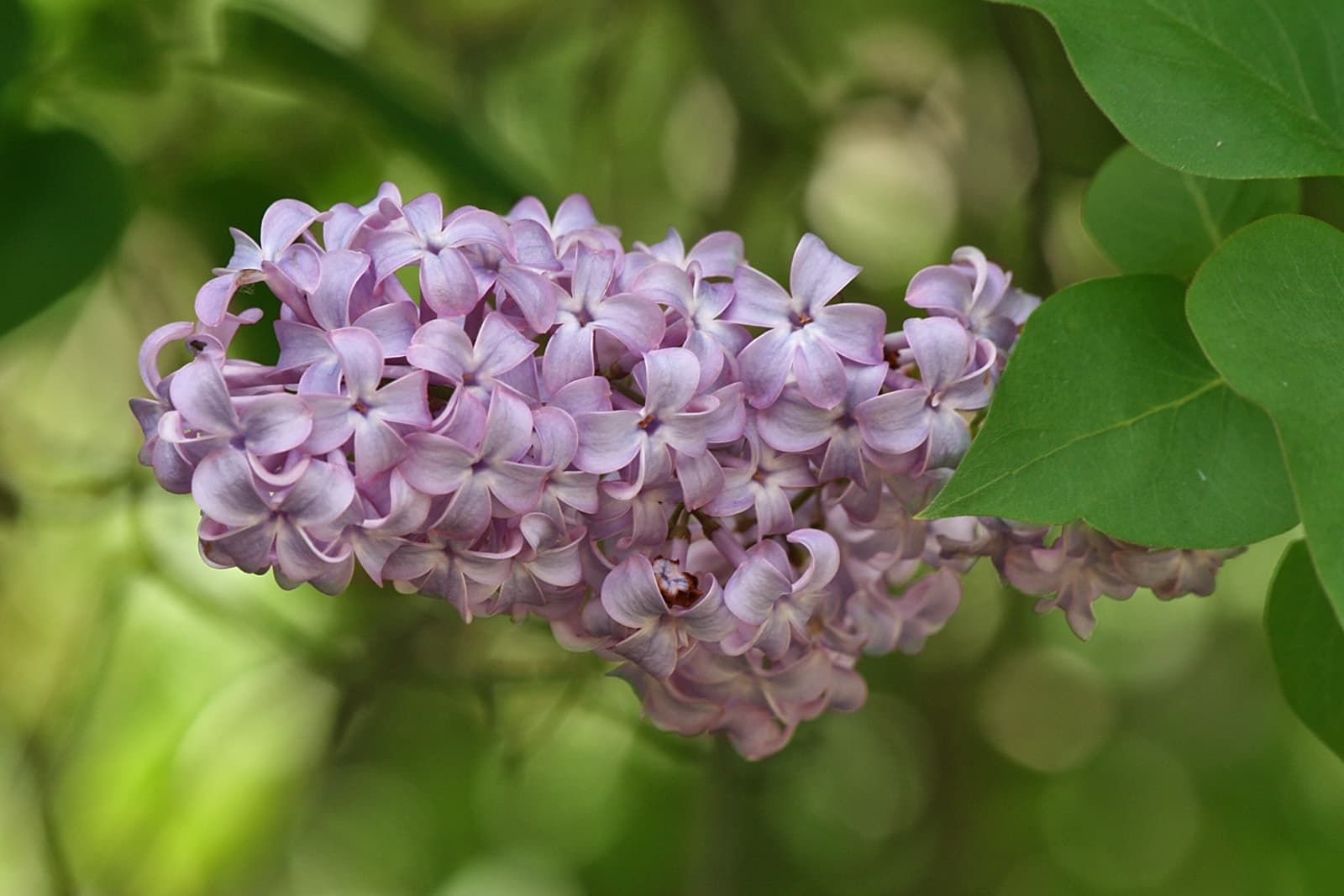
Bloom, Common Lilac

Bloom

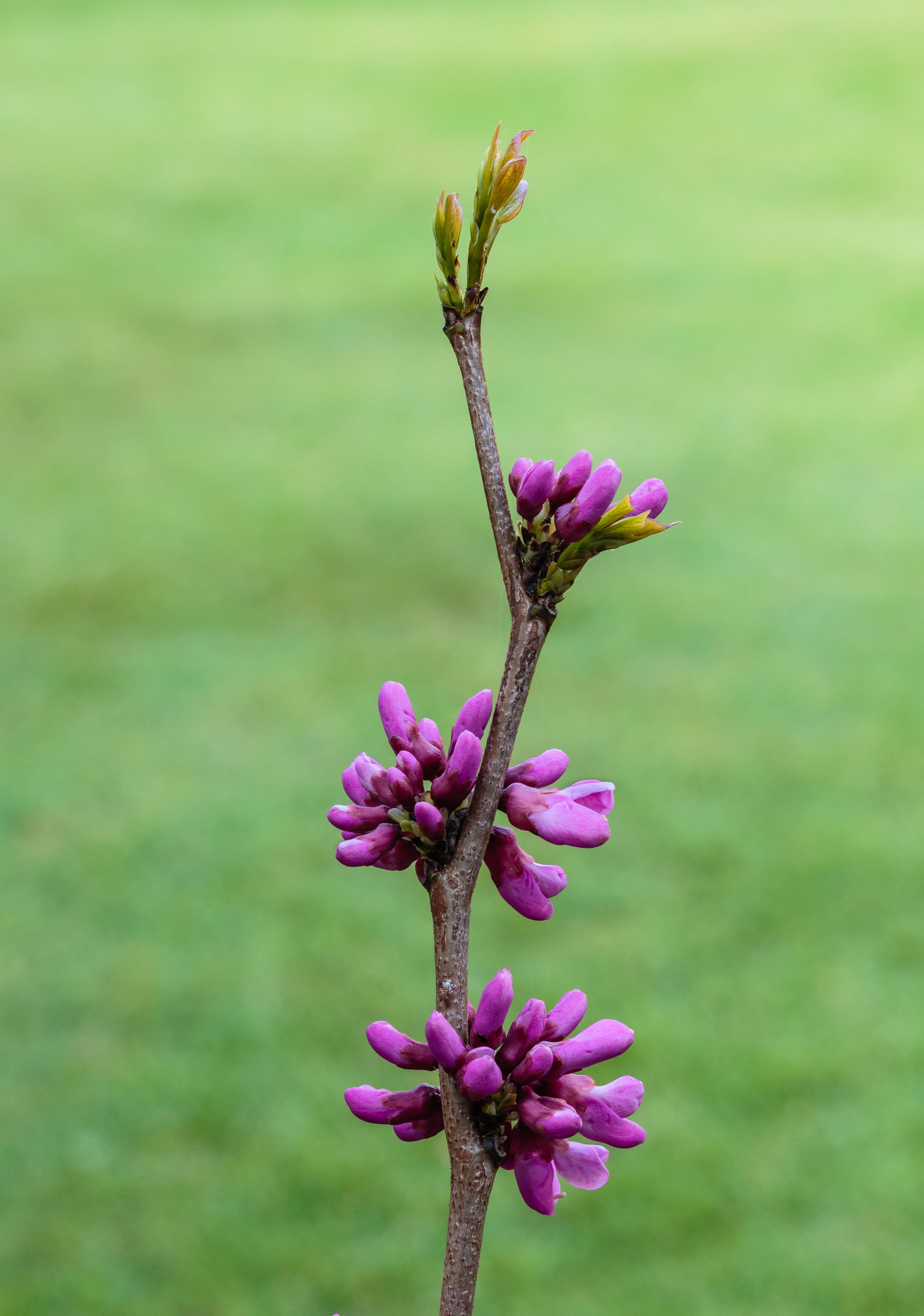
Beentree via Wikimedia Commons (cc by_sa_4)

Gallery, Common Lilac

Gallery

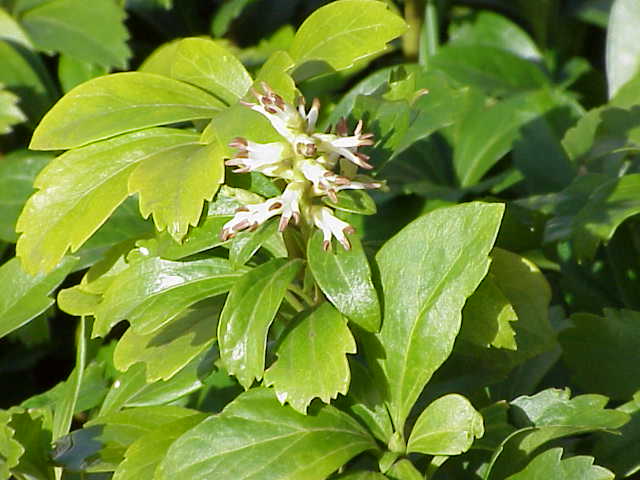
Dmitry Makeev via Wikimedia Commons (cc by_sa_4)

Gallery, Common Lilac

Gallery

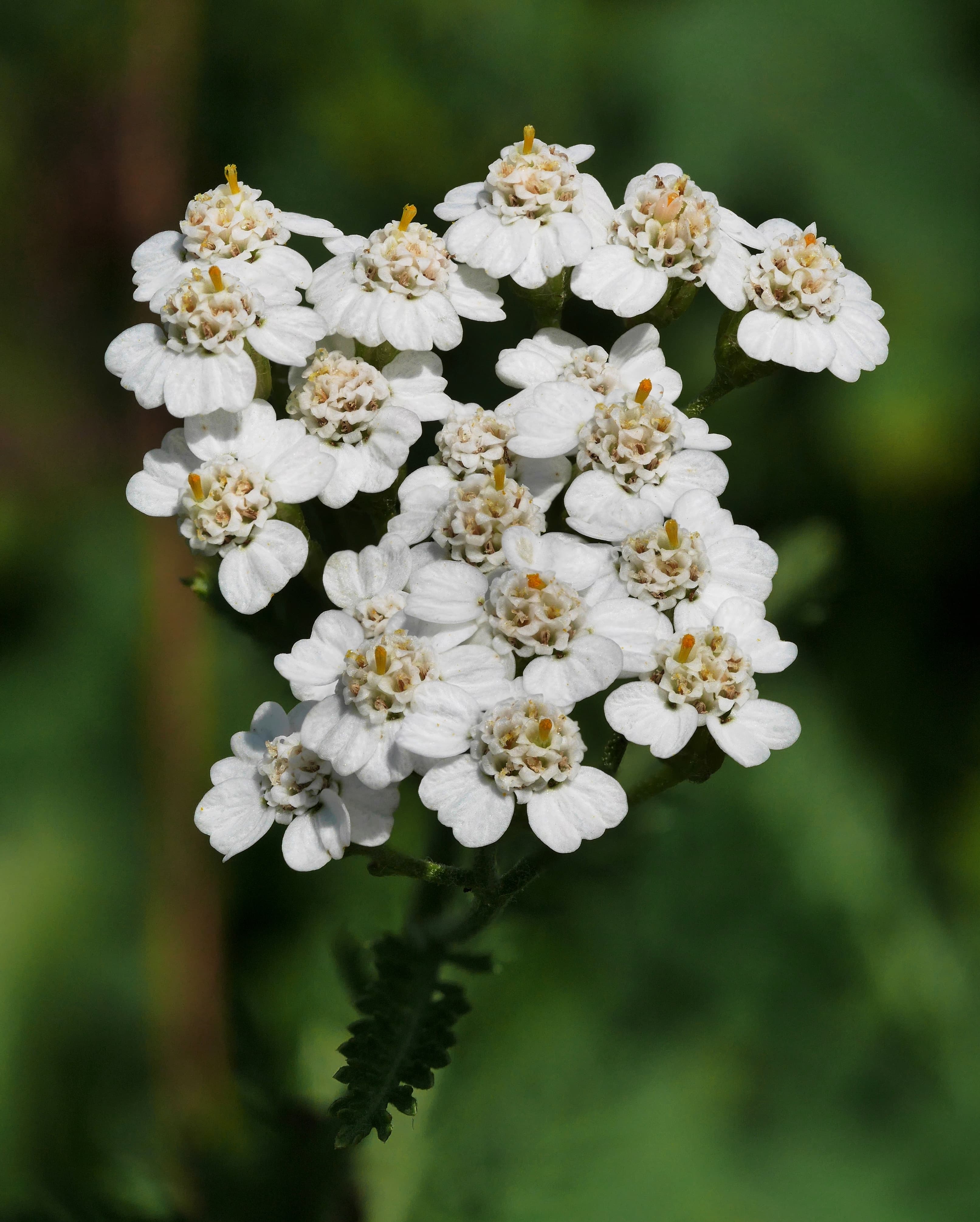
Dmitry Makeev via Wikimedia Commons (cc by_sa_4)

How to grow it

Five steps, start to bloom.

Written for beginners. If you've never grown anything before, this is all you need to keep this plant alive and happy.

  1. Pick a spot

    Find a spot with enough light for its needs. Plant it outdoors, ideally sheltered from the harshest afternoon wind.

  2. Plant it

    Any good all-purpose potting mix or well-drained garden soil will do. Give each plant enough room for its mature spread. Crowding causes more problems than undersizing the bed. Water it in gently once it's settled.

  3. Water it

    Water when the top inch of soil feels dry, roughly once a week in summer. Soak the soil, then let it breathe before the next round.

  4. Feed & tend

    This one is very forgiving. A balanced all-purpose fertiliser at the start of the growing season is plenty, and you can skip a month without harm. Plan on 10 minutes a week of hands-on care: watering, a quick trim, checking for pests.

  5. Enjoy it

    Watch for new growth in spring and summer. If the leaves look tired, trim the oldest ones back to encourage fresh foliage.

Year at a glance

What to do, month by month.

Approximate for a temperate North American zone. Shift earlier the further south you garden, later the further north.

  1. Jan

    January: Rest

    Dormant

  2. Feb

    February: Rest

    Dormant

  3. Mar

    March: Wake up

    New growth

  4. Apr

    April: Tend

    Routine care

  5. May

    May: Tend

    Routine care

  6. Jun

    June: Tend

    Routine care

  7. Jul

    July: Tend

    Routine care

  8. Aug

    August: Tend

    Routine care

  9. Sep

    September: Tend

    Routine care

  10. Oct

    October: Tend

    Routine care

  11. Nov

    November: Wind down

    Prep for dormancy

  12. Dec

    December: Rest

    Dormant

Pet & people safety

Non-toxic to common pets.

Verified against a primary poison-control source. Still, no plant is a snack. Grazing in quantity can upset the stomach of any animal, and the hotline below is there if something goes wrong.

  • Dogs

    Non-toxic

    Non-toxic per ASPCA.

    Source: ASPCA

    Record covers Common Lilac toxicity for Dogs.

  • Cats

    Non-toxic

    Non-toxic per ASPCA.

    Source: ASPCA

    Record covers Common Lilac toxicity for Cats.

Bloomwise is not a substitute for veterinary or medical advice. Every line above comes from a hand-verified reference.

People also planted

More plants you might love.

Frequently asked

Common questions.

What USDA zones does Common Lilac grow in?
Common Lilac is hardy in USDA zones 1a to 13b. If your winter lows fall outside that range, grow it in a container you can bring indoors, or treat it as an annual.
How often should I water Common Lilac?
Water about once a week in summer, adjusting for rainfall. Soak the soil, then let it breathe before watering again.
How much sunlight does Common Lilac need?
Common Lilac prefers four to six hours of sun, ideally morning light.
Is Common Lilac safe for pets?
Yes. Common Lilac is listed as non-toxic to dogs and cats by verified poison-control sources. No plant is a snack, though, and grazing in quantity can still upset any animal's stomach.
Is Common Lilac good for beginners?
Yes, this is a forgiving plant that tolerates inconsistent watering and the occasional missed feeding. A good choice for a first garden.

Sources

Plant facts on this page come from a blend of public-domain and open-licensed datasets: Biodiversity Heritage Library (historical botanical illustrations, public domain), USDA PLANTS (taxonomy, public domain), GBIF (occurrence and taxonomy, CC-BY 4.0), OpenFarm (crop guides, CC-BY-SA 3.0), and Open-Meteo (climate and hardiness lookup, CC-BY 4.0). Toxicity records come from the ASPCA Animal Poison Control Center and the Pet Poison Helpline; every row is hand-verified against a primary reference.