Seasonal Planting Guides

Plant the right thing. Right now.

240guides matched to your US region and the month you’re gardening in.

Browse by the month you are gardening in

Guides & articles

Know what you're doing before you dig.

Beginner-friendly deep dives written by the Bloomwise team. USDA-grounded, no jargon.
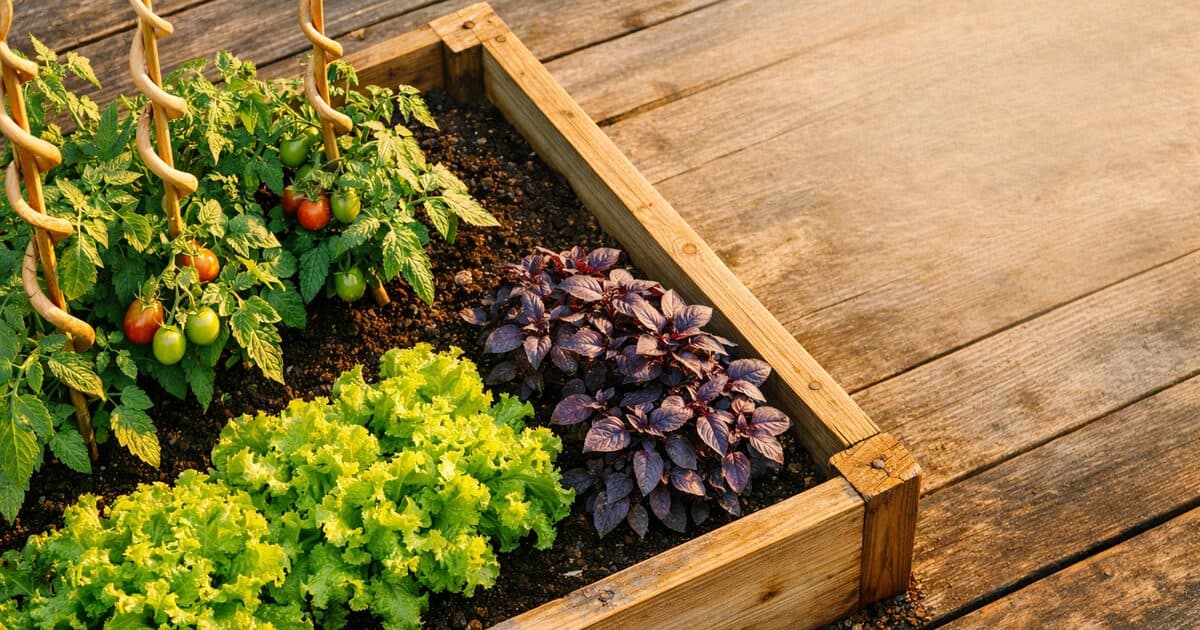
A lush cedar raised bed garden filled with tomatoes, basil, and lettuce in morning light
Featured guide
9 min
raised bedbeginnersoil

Your First Raised Bed Garden: Lumber to Harvest

You don't need a yard, a tractor, or a green thumb. A raised bed is the fastest path from 'I want a garden' to actually eating something you grew.

April 2026
Read the guide
A glass greenhouse with lush greenery and walkways in a residential garden
greenhousebeginner
16 min

How to Buy a Greenhouse: The Complete Buying Guide

Most greenhouse buyers shop for structure before answering the three questions that determine whether they'll use it in year two. Here is what actually matters, in the order you need it.

Apr 2026
Read
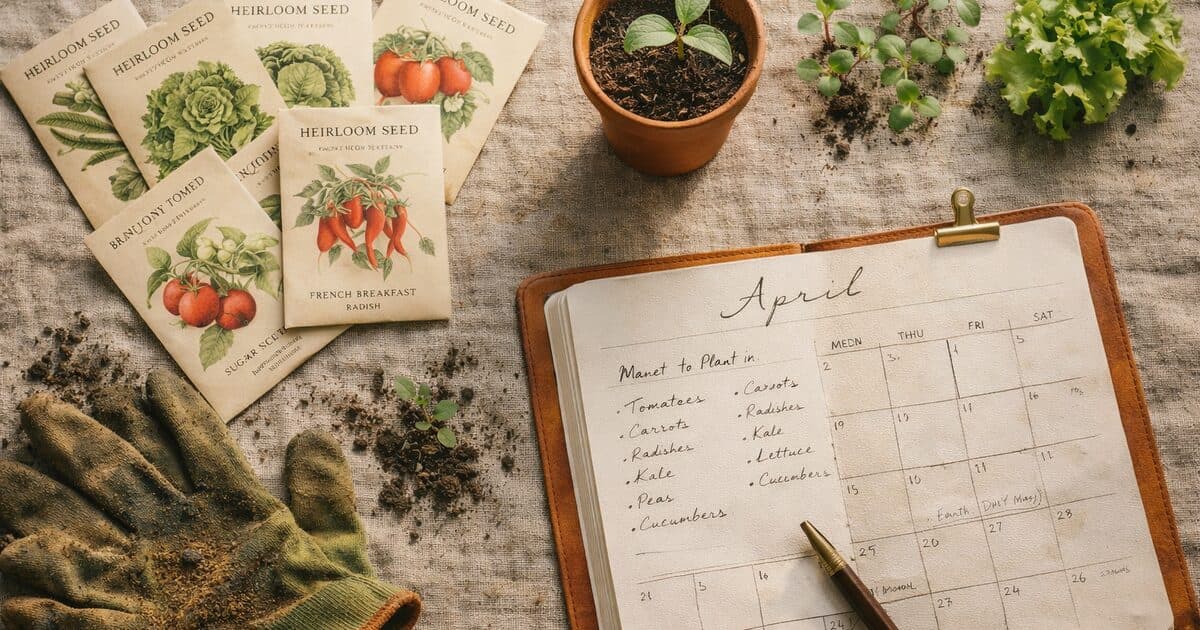
Flat lay of heirloom seed packets, a terracotta pot with a seedling, and a planting calendar open to April
aprilplanting guide
8 min

What to Plant in April: Region-by-Region US Guide

April is the month beginners get burned the most. Half the country can't plant tomatoes yet. The other half already missed the window for cool-season crops. Here's how to know which half you're in.

Apr 2026
Read
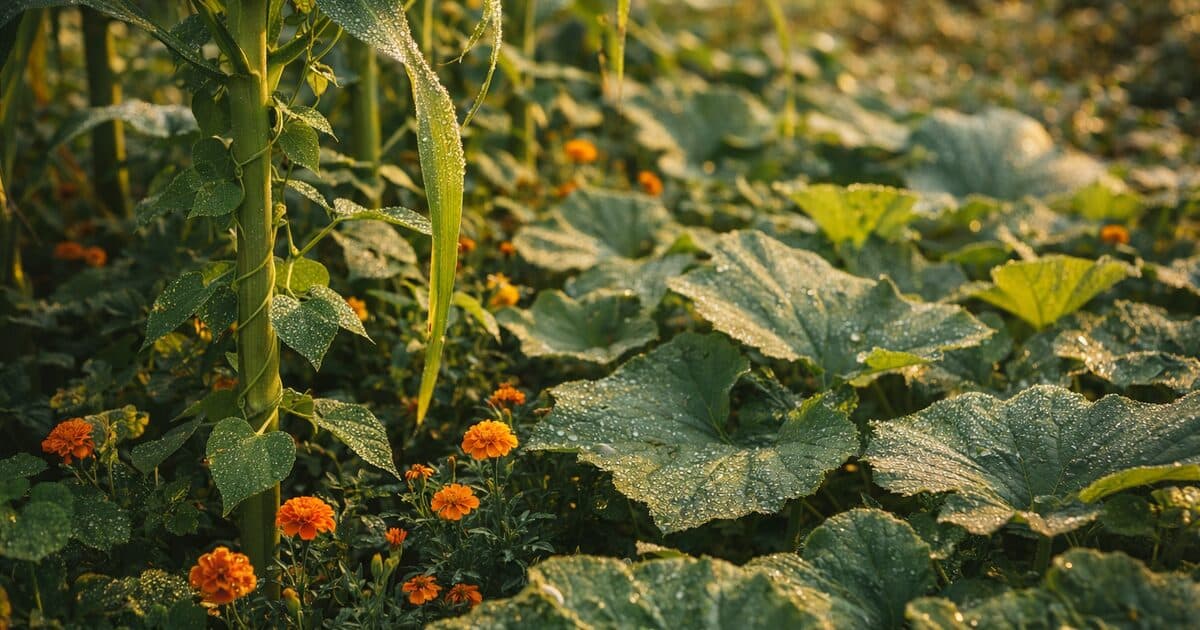
Overhead view of companion-planted garden bed with corn, beans, squash, and marigolds growing together
companion plantingthree sisters
10 min

Companion Planting 101: Which Pairs Actually Work

Some companion planting is folk wisdom that turned out to be real plant biology. Some is myth, repeated long enough to feel like fact. Only the pairs with actual mechanistic explanations behind them are worth your garden space.

Apr 2026
Read
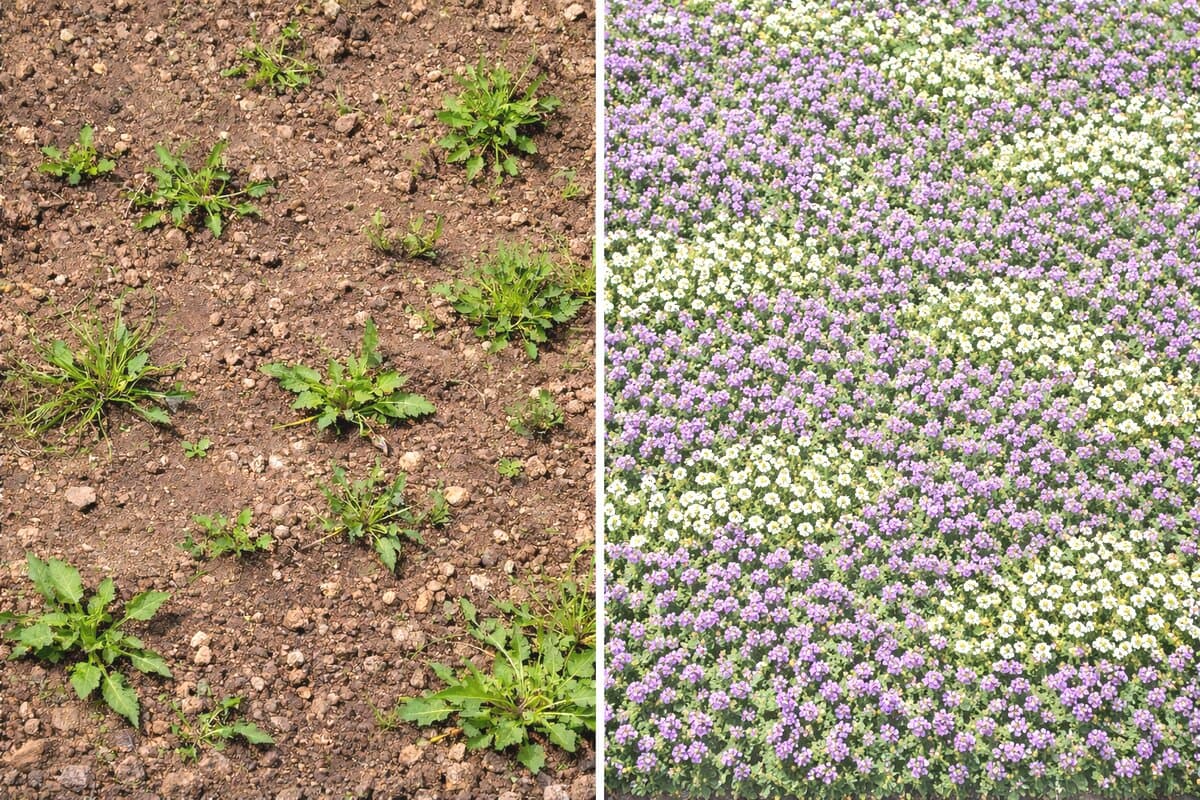
Dense creeping thyme ground cover spreading across a sunny garden bed, forming a fragrant mat between stepping stones
weed controlground cover
12 min

Plants That Keep Weeds From Taking Over Your Garden Beds

Most garden soil holds 150 to 200 viable weed seeds per square foot, waiting for bare ground and sunlight to germinate. The fix is plants that permanently close off that opportunity.

Apr 2026
Read
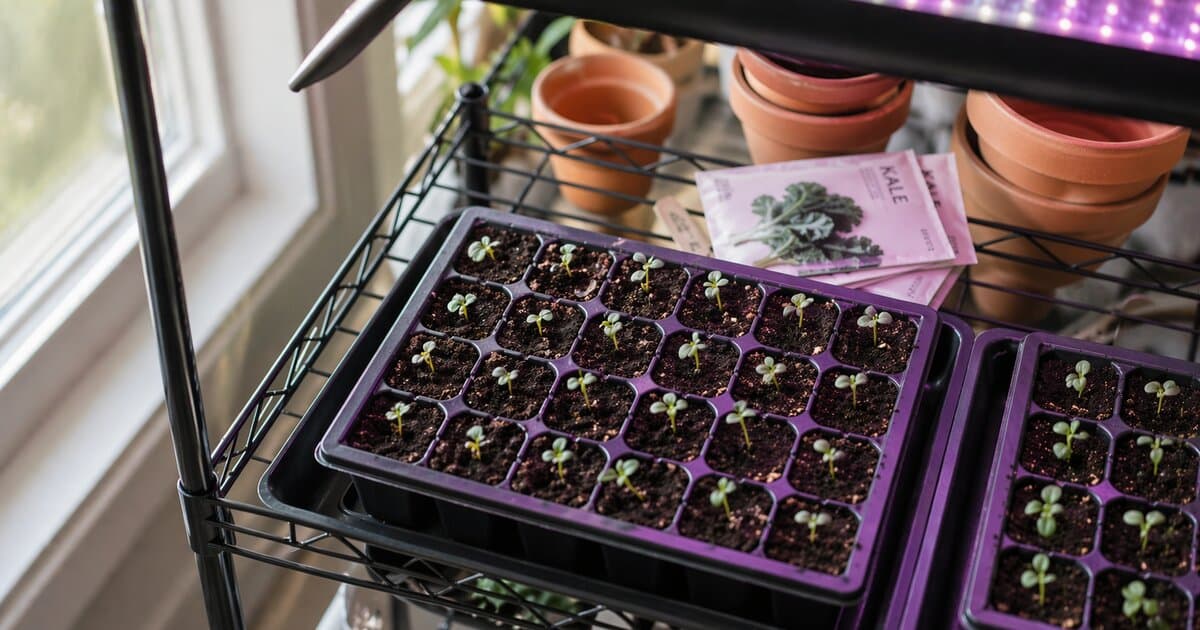
Seed starting trays under grow lights on a wire shelf, with seedlings emerging from dark seed-starting mix
seedsbeginner
8 min

Starting Seeds Indoors: Timing, Lights, and Transplants

The transplants you buy at the garden center were started six to eight weeks before you see them. Growing your own means more variety, lower cost, and plants timed exactly to your last frost.

Apr 2026
Read
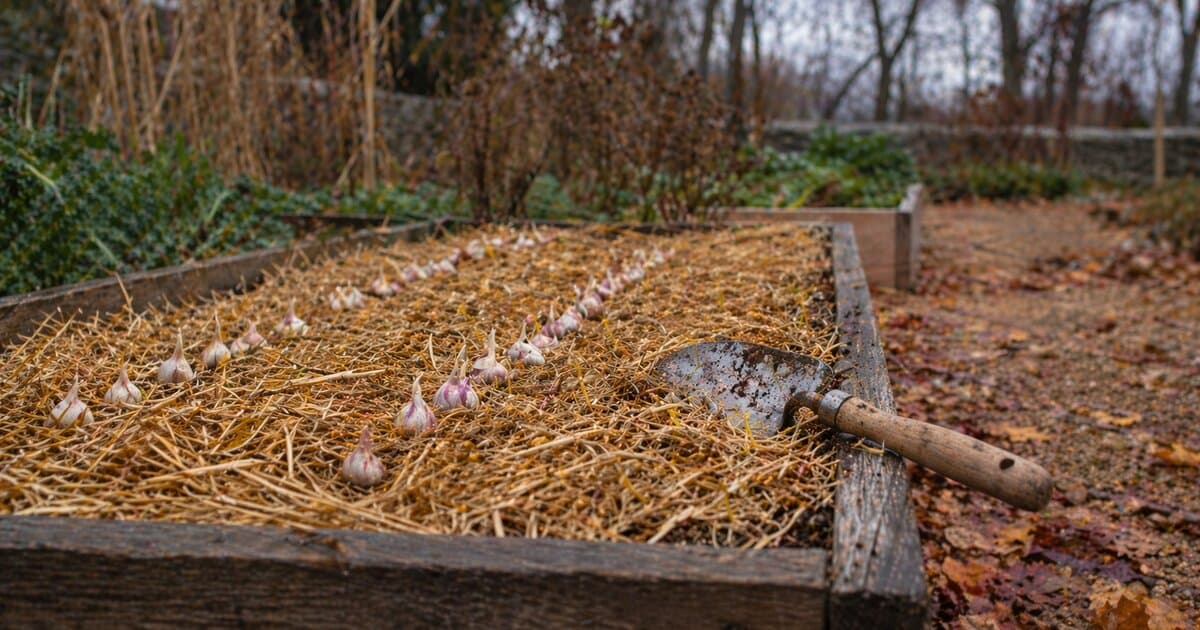
A garden bed covered in straw mulch with garlic planted in rows, surrounded by fall foliage
fallbeginner
7 min

Fall Garden Prep: 8 Tasks for a Better Spring

The gardeners who have the easiest springs are the ones who did the work in October. Eight tasks, five of which take under an hour each, that make the difference between a slow start and hitting the ground running.

Apr 2026
Read
A thriving tomato plant loaded with ripening fruit, staked with bamboo and growing in a raised bed
tomatoesvegetables
11 min

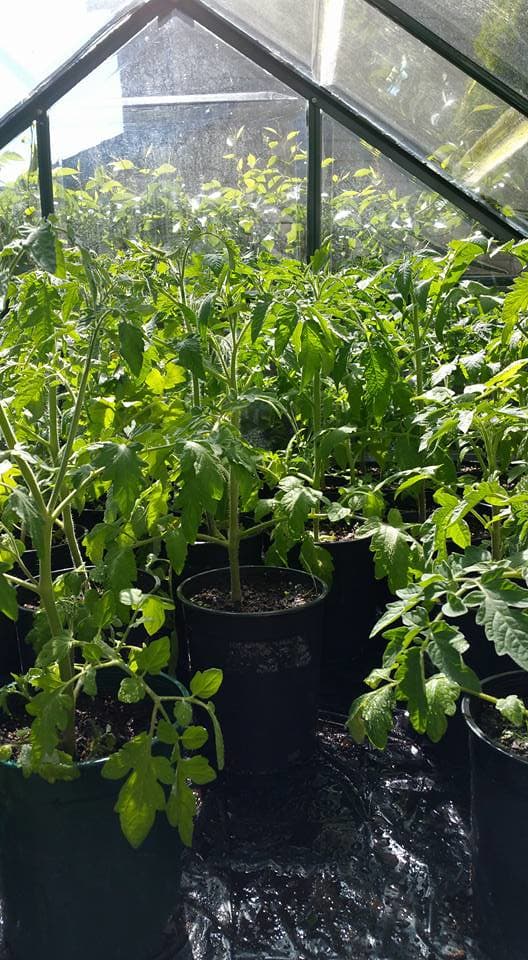
How to Grow Tomatoes: From Transplant to Harvest

Most tomato failures come down to two decisions made in the first week: wrong variety type and wrong planting depth. Fix those and everything else gets easier.

Apr 2026
Read
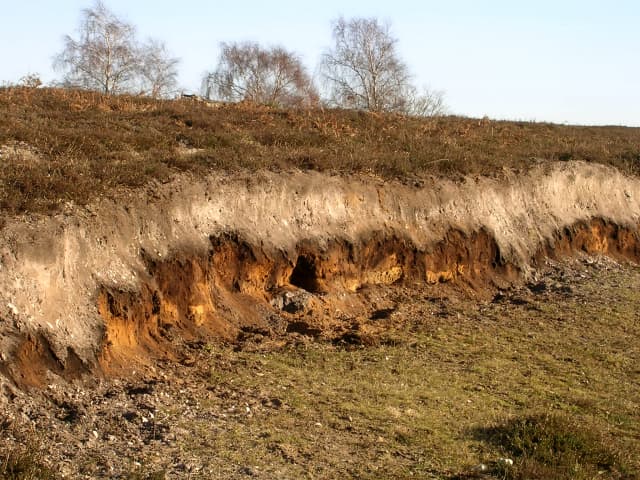
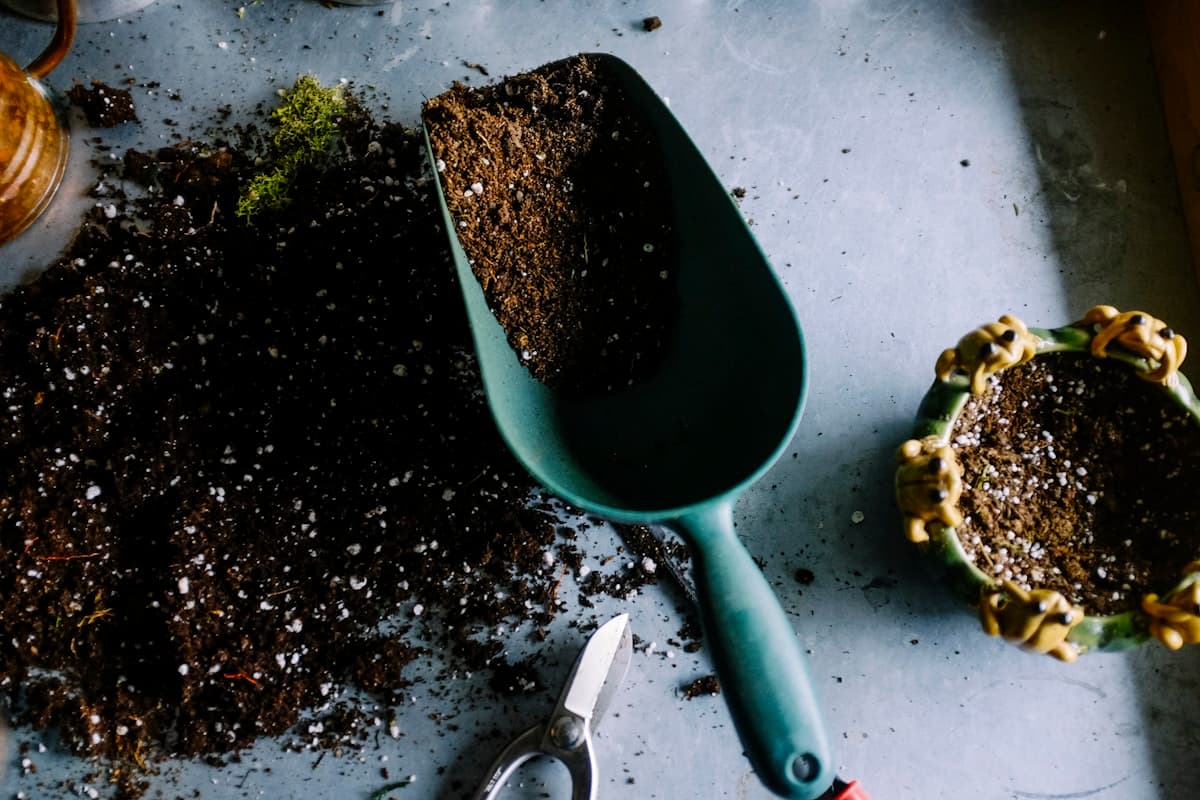
Close-up of dark, rich garden soil with visible earthworm channels and decomposing organic matter
soilcompost
10 min

Building Great Garden Soil: What Plants Need Underfoot

The most expensive seed packet in the store will fail in bad soil. The cheapest seeds thrive in good soil. Here's how to build the kind of soil that makes growing food almost embarrassingly easy.

Apr 2026
Read
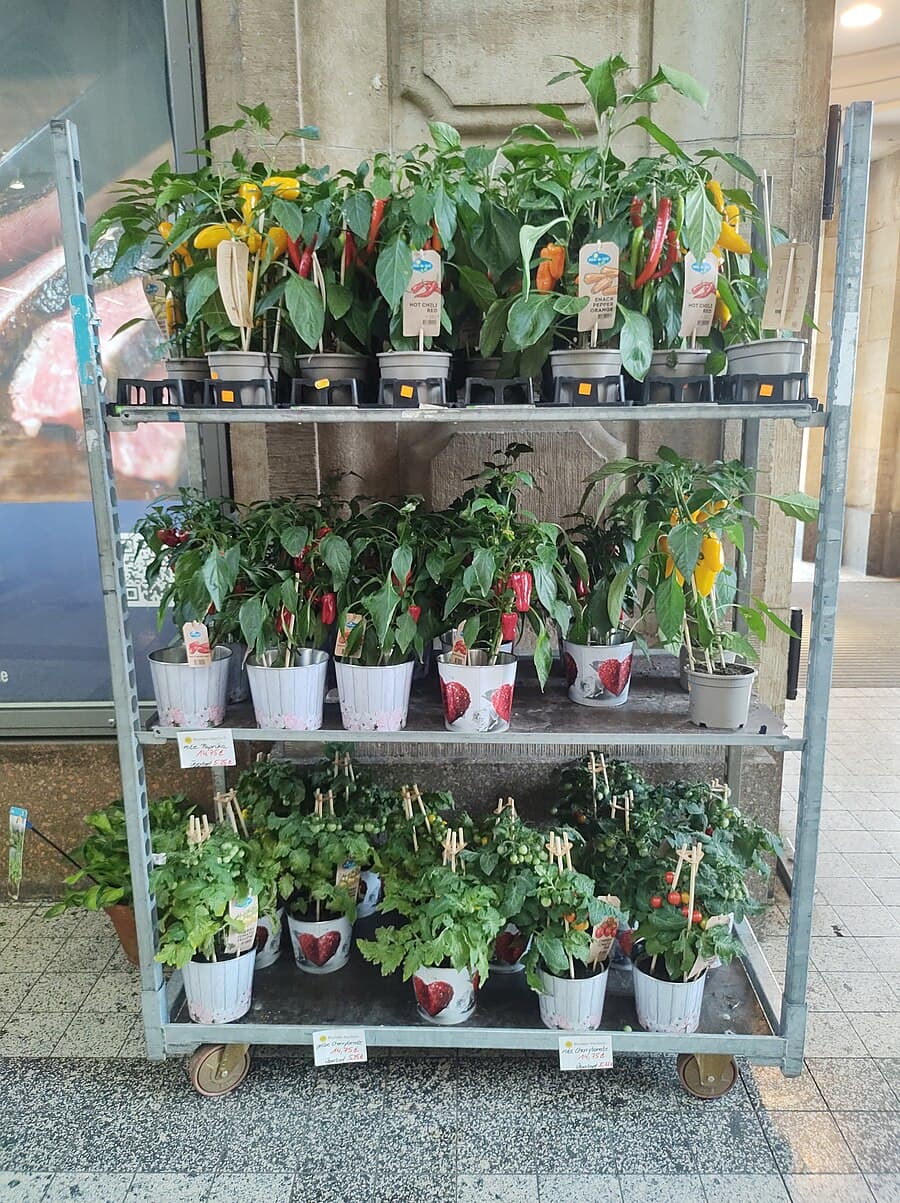
A collection of terracotta pots and fabric grow bags on a sunny balcony, planted with tomatoes, herbs, and peppers
containerbeginner
9 min

Container Gardening 101: Growing Food Without a Yard

A container garden is not a compromise. It gives you complete control over soil quality, placement, and drainage that in-ground gardeners spend years trying to achieve.

Apr 2026
Read
Organized raised garden beds planted with diverse vegetable crops in a systematic rotation layout
crop rotationsoil
10 min

Crop Rotation: The Simple Plan for Healthier Beds

Grow tomatoes in the same bed three years running and the garden slowly fights back. Crop rotation is how you stay ahead of that problem before it compounds.

Apr 2026
Read
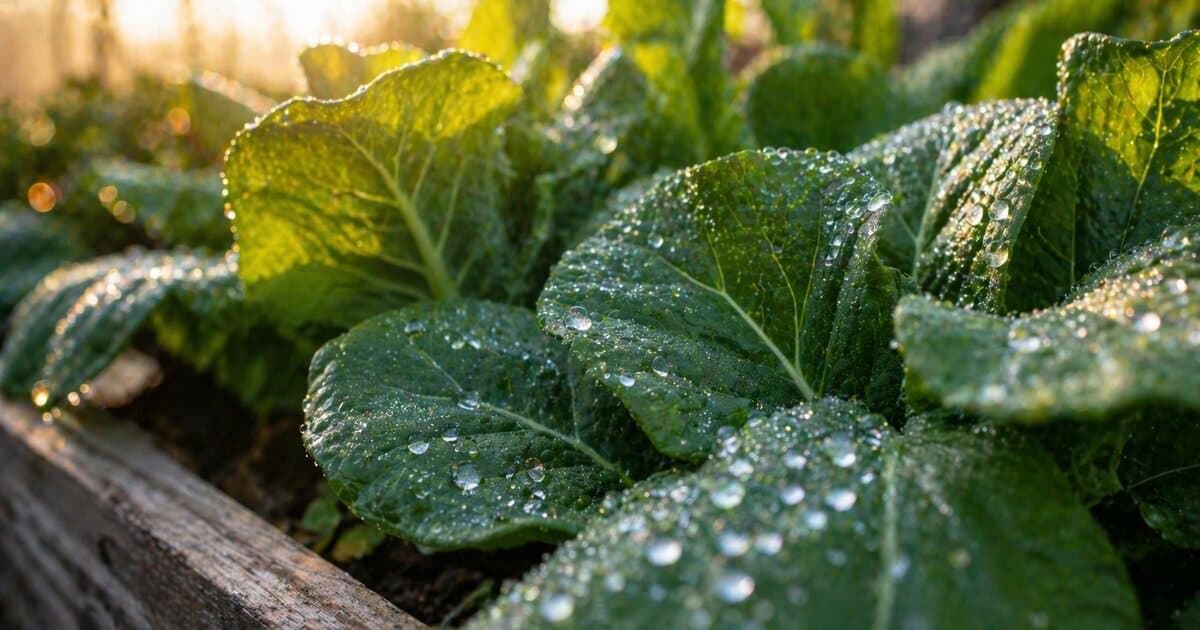
Close-up of water droplets on lush green vegetable leaves in a garden bed in morning light
wateringirrigation
9 min

Water Your Garden Right: Deep Roots, No Guessing

The most common way to kill a vegetable garden is to water it on a fixed schedule. Here is how to water by what the soil actually needs instead.

Apr 2026
Read
A sunny windowsill lined with terracotta pots of fresh herbs including basil, parsley, and thyme
herbsindoor gardening
9 min

Growing Herbs Indoors: Which Ones Work and Why

The grocery store basil plant is not a healthy plant. Growing herbs indoors successfully comes down to one variable almost every guide buries: how much light they actually need.

Apr 2026
Read
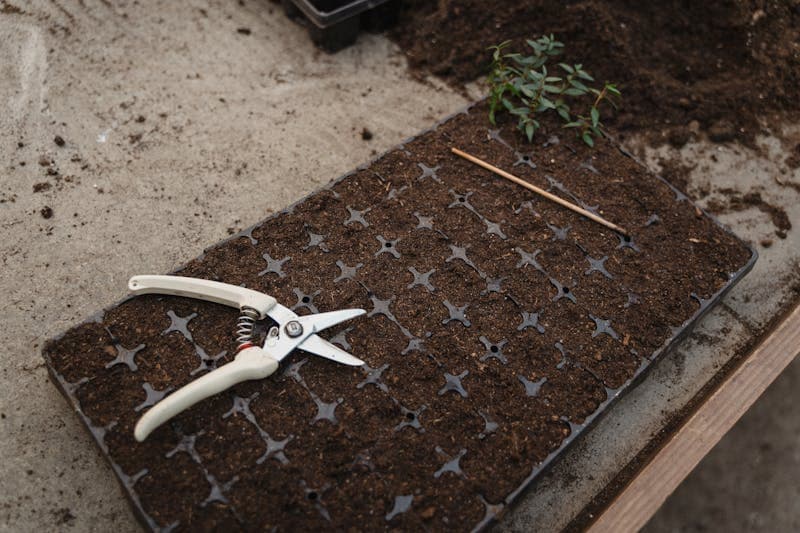
Hands pressing a stem cutting into a tray of propagation mix
propagationcuttings
13 min

How To Propagate Plants: Seeds, Cuttings, Grafts, and More

Every plant you propagate is one you didn’t have to buy. Most gardeners try it once and never stop. Here are all six techniques, explained without shortcuts.

Apr 2026
Read
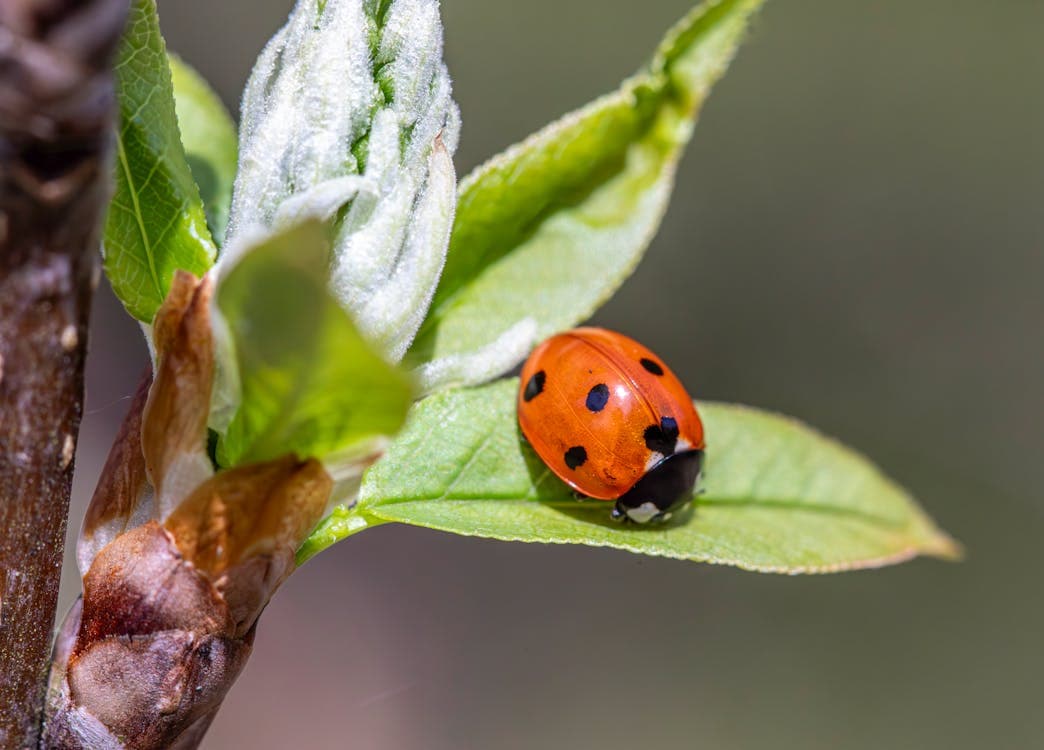
Ladybug on a leaf actively eating aphids in a vegetable garden
pest controlorganic
14 min

Garden Pest Control: Identification, Prevention, and Treatment

One aphid colony can wipe out a month of garden work in three days. Most gardeners reach for a spray bottle first. The ones who rarely lose crops learn to read damage patterns, understand pest lifecycles, and build gardens that pests find genuinely hostile.

Apr 2026
Read
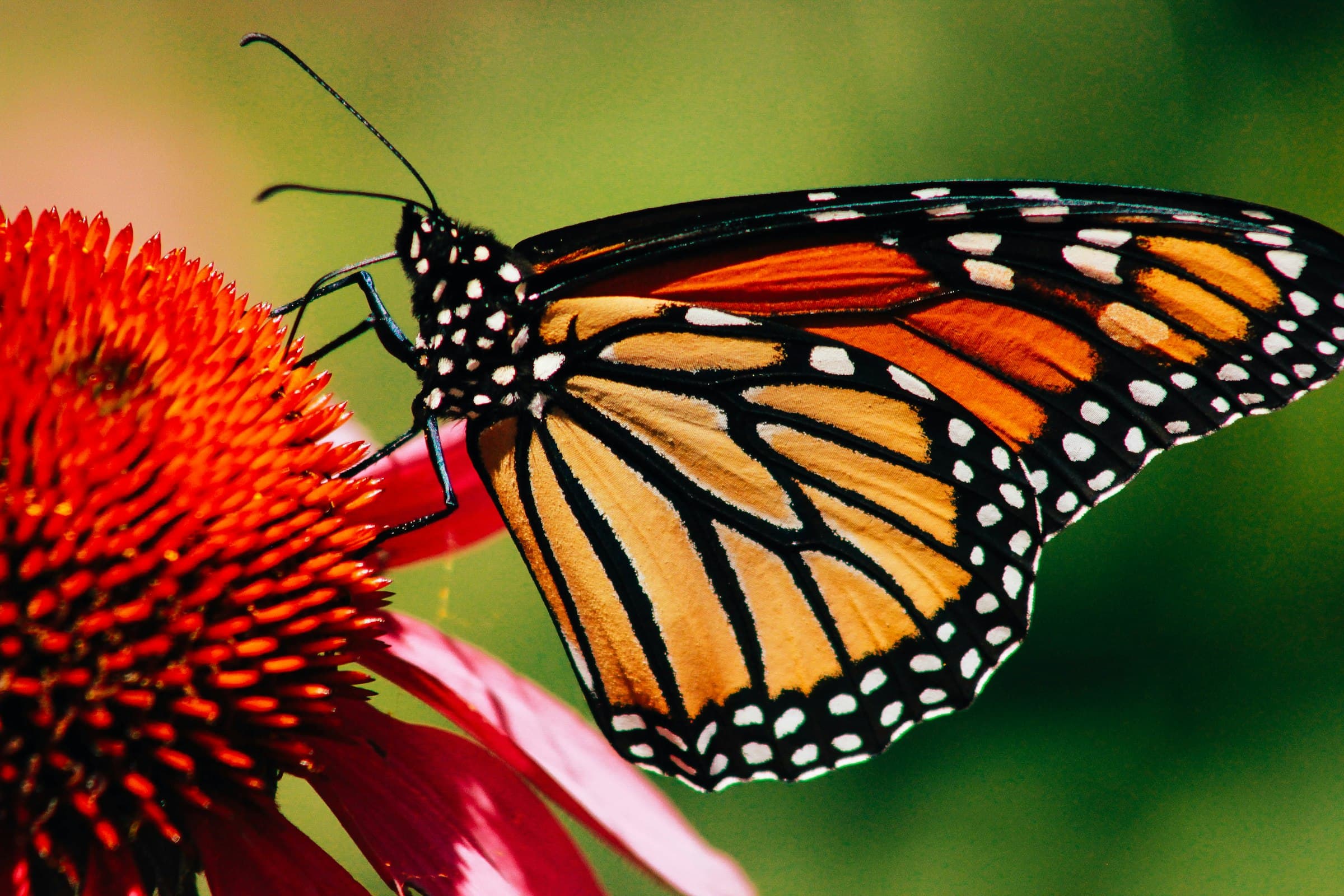
A monarch butterfly resting on a red coneflower with bright orange and black wings open
pollinator gardennative plants
24 min

How to Build a Pollinator Garden: Bees, Butterflies, and Birds Welcome Here

A real pollinator garden is closer than most people think. Choose a handful of native plants, set out a shallow dish of water, leave one corner a little wild, and you have built a working waystation for native bees, butterflies, and hummingbirds. The first visitors usually arrive within the week.

May 2026
Read

By region

Find your corner of the country.

Twenty US regions, each with its own zone range and ideal plant list.

California

Zones 7 to 11

Long, dry summers and mild winters make California one of the most forgiving gardening zones in the country. The catch is water, not cold.

Texas

Zones 6 to 10

Hot, humid along the Gulf, bone-dry in the west, with late freezes that blindside anything planted too early in March.

Florida

Zones 8 to 11

The only state with a true subtropical catalogue, but summer rain, hurricane season, and sandy soil rewrite every rule you've read elsewhere.

New York

Zones 4 to 7

Short, humid summers and long, biting winters. The growing window is tight, so the Northeast gardener's edge is timing.

Pennsylvania

Zones 5 to 7

Four genuine seasons, reliable rain, and some of the best topsoil in the eastern US. Forgiving weather, demanding deer.

Illinois

Zones 5 to 7

Brutal humidity in July, polar-vortex cold in February, but prairie soils can grow almost anything that survives the swings.

Ohio

Zones 5 to 7

Reliable rainfall and a generous frost window, though late-May frosts still catch eager gardeners every other year.

Georgia

Zones 7 to 9

A long, warm season with mild winters in the south half of the state. The challenge is clay soil and August humidity rot, not cold.

North Carolina

Zones 6 to 8

A rare state where the same backyard can grow both tomatoes and blueberries well. Piedmont soil rewards steady work.

Michigan

Zones 4 to 6

Lake-effect weather buffers the extremes but compresses the season. Plant too early and a frost off Lake Michigan will undo a week's work.

New Jersey

Zones 6 to 7

The Garden State earns its name: humid-continental coast, sandy pine barrens, and enough variety for perennials, vegetables, and fruit alike.

Virginia

Zones 6 to 8

Humid summers and mild winters make Virginia an overlooked garden state. Just watch for the late-April frost that nips young peppers.

Washington

Zones 5 to 8

West of the Cascades you garden through the drizzle; east, you contend with high-desert heat. Two different seasons in one state.

Arizona

Zones 6 to 10

Desert gardening is less about cold and more about finding the shade and the water. Everything flips once you learn to plant for heat, not for frost.

Massachusetts

Zones 5 to 7

A New England classic: late springs, brilliant autumns, and a growing season short enough that every warm day earns its keep.

Tennessee

Zones 6 to 8

Long warm seasons, reliable rain, and soil that varies from rocky Cumberland to rich Delta. One of the most generous gardening climates in the country.

Indiana

Zones 5 to 7

Classic Midwest weather with one foot in the South. Watch the late spring frosts, and enjoy a fall that stretches into November.

Missouri

Zones 5 to 7

Humid summers and cold enough winters to kill anything tender, but the frost-free window is long enough to run a second crop of fall greens.

Maryland

Zones 6 to 8

The Chesapeake climate is mild, humid, and long enough to raise crops most New Englanders envy, if the deer let you.

Colorado

Zones 3 to 7

High, dry, and bright: everything you plant has to survive late frosts, thin mountain soil, and the sun that burns tender leaves in an afternoon.