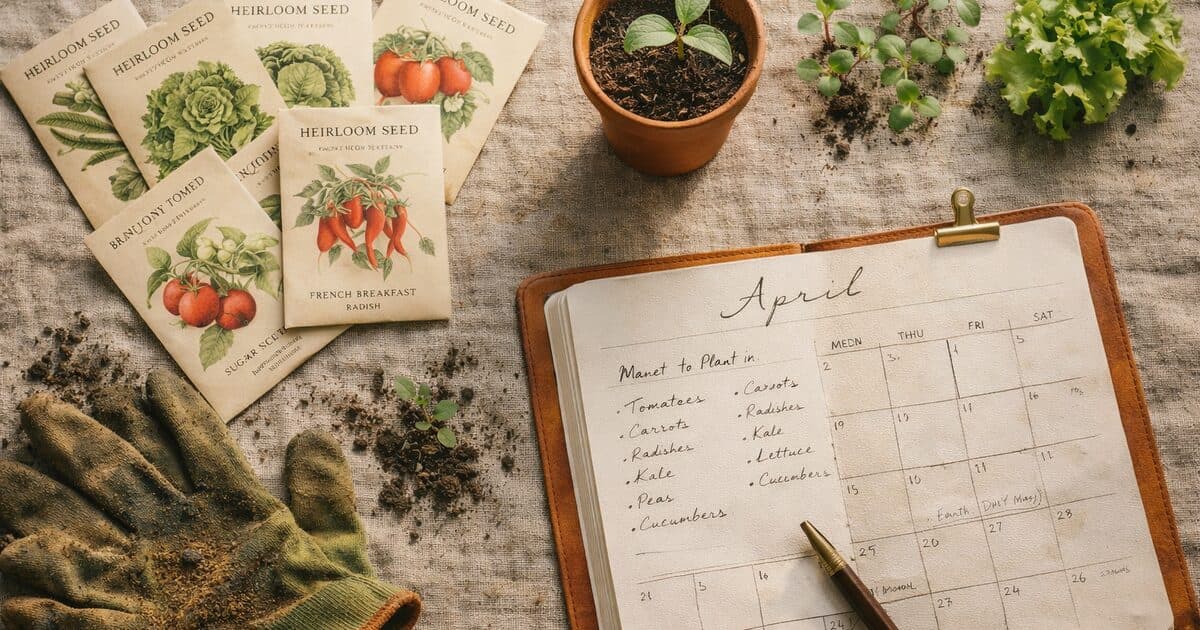
Grow tomatoes in the same bed three years running and the garden starts to push back. Soil-borne pathogens accumulate. Pests overwinter and return ready. Nutrients drain in the same ratios each season. None of it feels catastrophic in year one. But it compounds, and by year three you are fighting problems that a simple rotation would have prevented entirely.
Crop rotation means moving plant families to different beds each season. No family sits in the same soil two years in a row. Done consistently, it breaks pest cycles, balances nutrient draws, and builds soil biology that expensive amendments only try to mimic. No special tools required. Just a plan and the discipline to follow it.
Why rotating actually matters
Your soil is a living record of everything you have grown in it. Plant tomatoes in the same bed year after year and you are actively inviting their specific pathogens to colonize, their pest insects to overwinter nearby, and depleting the same nutrients in the same ratios every season.
Moving crops breaks three patterns at once. A nightshade-specific aphid finds nothing to eat in a legume bed, so its population collapses. Different root depths and structures loosen and restore soil texture naturally. And nitrogen-fixing legumes rebuild exactly what heavy feeders stripped away the season before.
- 4
- Plant familiesThe minimum grouping for an effective rotation cycle
- 3 yr
- Minimum gapBetween same-family crops in the same bed
- 40%
- Less diseaseAverage reduction in soil-borne disease pressure after two full cycles
- 50 lb
- Nitrogen per acreFixed by a legume cover crop without any added fertilizer
The four plant families
Most vegetable pests and diseases are remarkably narrow in their targets. They evolved alongside a single plant family and are nearly useless against anything else. Dividing your crops into four groups gives you the minimum spacing needed to break those cycles cleanly.
Nightshades (Solanaceae) are the heaviest feeders in a typical vegetable garden and the most disease-prone. Tomatoes, peppers, eggplant, and potatoes share the same vulnerabilities: fusarium wilt, verticillium wilt, early blight, late blight. These pathogens persist in soil for years waiting for a host. Give nightshades your best bed, your best compost, and your longest rotation gap.
Brassicas (Cruciferae) include broccoli, cabbage, kale, cauliflower, Brussels sprouts, kohlrabi, and radishes. The main threat is clubroot, a soil-borne fungus that survives without a host for up to 20 years. Cabbage worms and aphids are family-specific too and will not follow brassicas into a nightshade bed.

Roots and alliums cover carrots, beets, parsnips, garlic, onions, and leeks. These are lighter feeders than nightshades and brassicas, which is why they slot naturally after the heavier families in the rotation sequence. Less demand, more recovery time for the soil.
Legumes (Fabaceae) are the engine that keeps the rotation self-sustaining. Beans, peas, and cover crops like crimson clover carry nitrogen-fixing bacteria in their roots. When the plants die back, the fixed nitrogen stays in the soil. Always put legumes directly before your nightshades in the rotation sequence. Tomatoes planted into a bed that carried beans the year before rarely need supplemental nitrogen.
Building your rotation plan
The simplest system: divide your growing space into four areas, assign one family to each, and shift everything one position clockwise each spring. Four beds is the ideal setup. Each family moves one position per year and completes the full cycle in four seasons.
2-BED ROTATION
Smaller setup, still effective
- Split each bed into two halves
- Alternate nightshades/brassicas with roots/legumes each year
- Not as effective as four years but dramatically better than no rotation
- Works well for smaller raised bed setups with space constraints
4-BED ROTATION
The ideal, most disease-resistant setup
- One bed per family, one family per year
- Full four-year gap between same-family plantings
- Legumes always precede nightshades in the sequence
- Clean, easy to track with a simple notebook or label system
The order matters in four-bed rotation. Legumes go into Bed 1 one year, nightshades take that bed the next year and inherit that fixed nitrogen, then brassicas follow, then roots. Every spring, the whole sequence advances one position.
Four-year rotation schedule
The hardest part of rotation is remembering what grew where last year. A simple table solves it. Read across to see what each bed grows each year. Read down to see how each family moves through a single bed over time.
| Bed | Year 1 | Year 2 | Year 3 | Year 4 |
|---|---|---|---|---|
| Bed A | Legumes | Nightshades | Brassicas | Roots |
| Bed B | Nightshades | Brassicas | Roots | Legumes |
| Bed C | Brassicas | Roots | Legumes | Nightshades |
| Bed D | Roots | Legumes | Nightshades | Brassicas |
Notice Bed A always receives nightshades right after legumes. The beans and peas from Year 1 leave nitrogen in the root zone. The following spring, tomatoes and peppers inherit that fertility without a bag of synthetic nitrogen in sight.
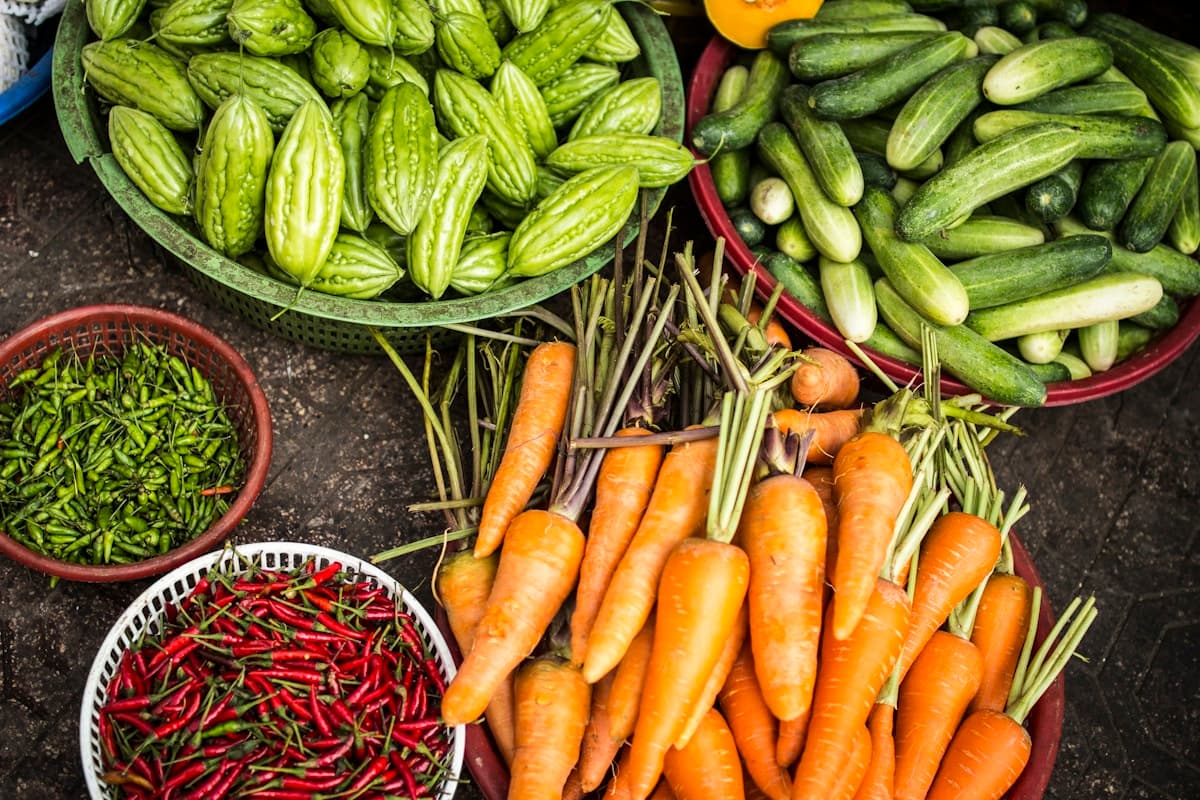
The best time to start rotating your crops was three years ago. The second best time is right now.
Working with one raised bed
One bed does not eliminate rotation, it just compresses it. A 4 by 8 foot bed divides cleanly into four 2 by 4 sections. Assign each section to a family and rotate the assignments each spring. The gap between last season's roots and this season's planting is smaller than four separate beds, but you still break the pest and disease cycles for every family that moves.
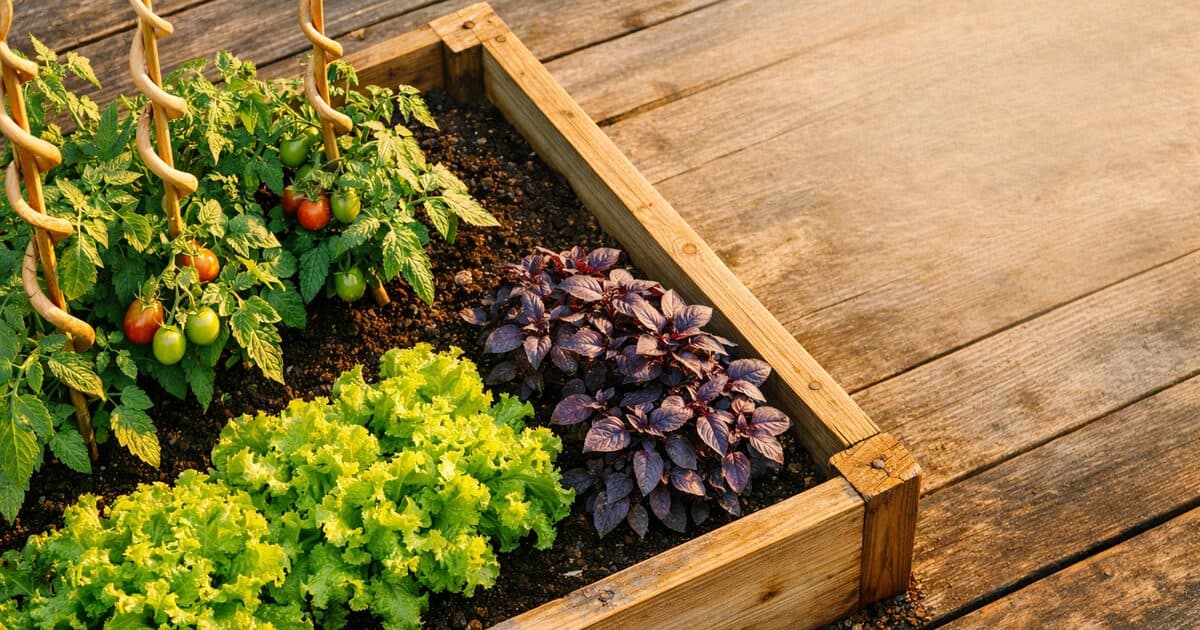
Another option: keep nightshades and brassicas in the raised bed and grow legumes and roots in large containers. Move those containers to a different spot each year. Not textbook rotation, but it delivers most of the benefit and costs nothing extra if you already have containers.
Common rotation mistakes
Forgetting potatoes are nightshades is the most common error in rotation planning. Potatoes cannot follow tomatoes, ever. They share blight strains, fusarium wilt, and several other soil-borne pathogens. Despite looking nothing alike on the surface, they belong to the exact same plant family.
Under-sizing the gap is the second most common error. Three years is the minimum between same-family plantings. For a bed with a history of blight or fusarium, extend that to five years. Verticillium wilt survives in soil for a decade without a host. Consistent disease pressure in one bed is a signal to lengthen the gap, not ignore it.
Skipping the winter cover crop leaves a real opportunity on the table. A legume mix sown in autumn works for free all winter. Winter rye with crimson clover or hairy vetch fixes nitrogen during the cold months and adds organic matter when you turn it in come spring. A bare bed in November is a missed season.
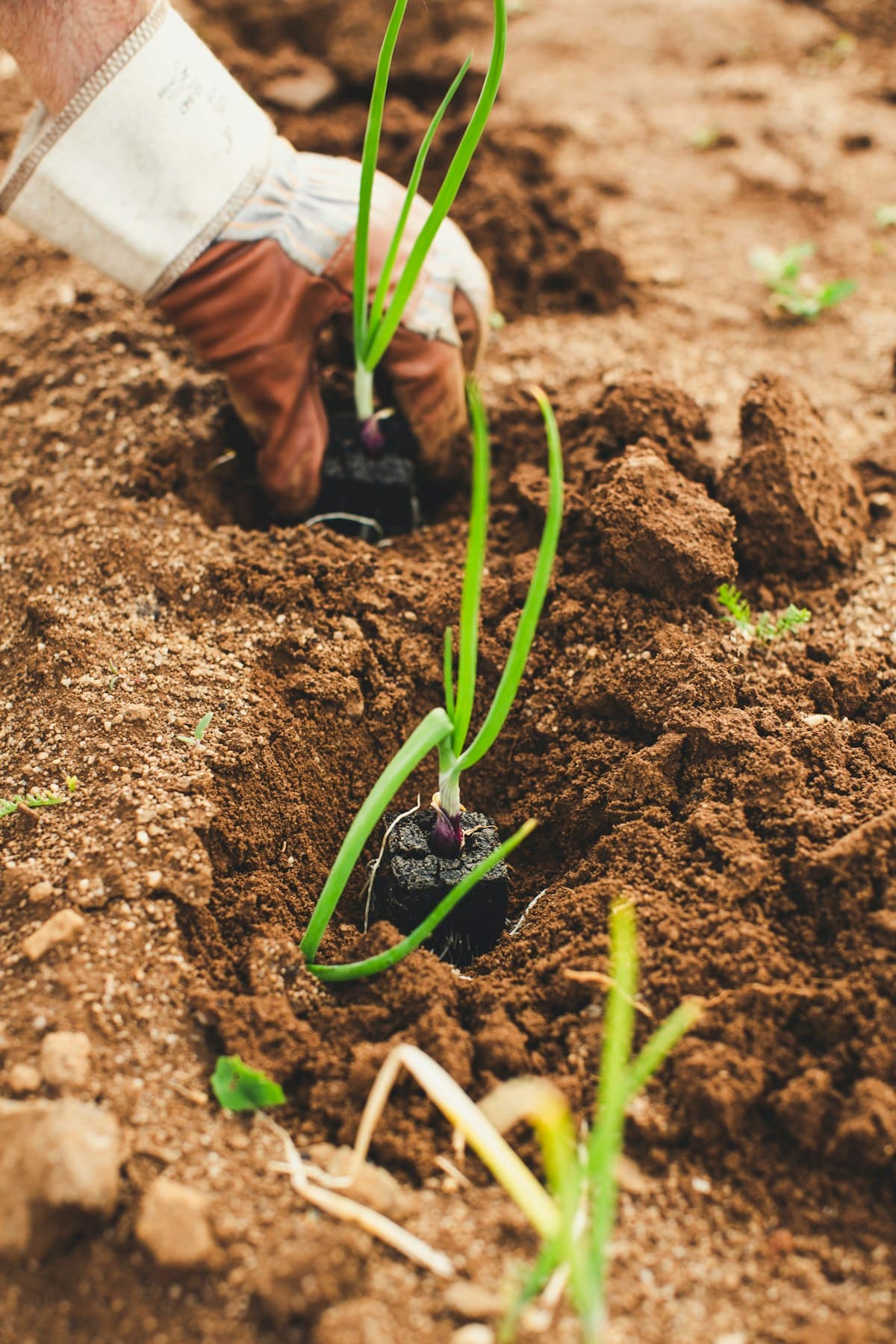
Not keeping records ruins rotation within two seasons. Memory is unreliable, especially about which bed held a specific crop three years ago. Take a photo of each bed at planting with a label showing the family. Write it in a notebook. Next spring you will have a clear answer instead of a guess.
Rotation planning checklist
Run through this checklist before placing any seeds or transplants in spring.
- Identify how many distinct growing areas or bed sections you have
- List every crop you plan to grow and assign each to its botanical family
- Check that radishes, turnips, and arugula are in the brassica group
- Check that potatoes and tomatillos are in the nightshade group
- Map last year's planting locations. No family repeats the same bed.
- Sequence legumes to precede nightshades in your rotation order
- Verify at least a three-year gap for any family with known disease history
- Plan a legume cover crop for any bed sitting empty this winter
- Label each bed or section with this year's family name at planting time
- Photograph the planted layout for next year's reference
- Write down what goes where in a dedicated notebook or digital note
- Set a spring reminder to review the layout before the following season