One aphid colony can wipe out a month of garden work in three days. Most gardeners reach for a spray bottle first. The ones who rarely lose crops take two minutes to identify what they're dealing with, understand when it actually needs treating, and match their response to the lifecycle, not the damage they're already looking at.
- 80%
- Infestations handled by beneficialsIn gardens with diverse plantings and no broad-spectrum sprays
- 12x
- Aphid reproduction rate per weekPer aphid in warm weather — colonies double in days, not weeks
- 3 days
- From first sighting to full colonyThe window to act before a small problem becomes a big one
- 7
- Generations to pyrethroid resistanceRoughly three weeks in warm weather under spray pressure
Why pests find your garden
Plants under stress broadcast it. A nitrogen-deficient tomato produces chemical signals that aphids read from meters away. An over-fertilized one grows soft, lush tissue that pests find easier to pierce and digest. Either way, the garden is advertising. Monocultures make the problem worse because a pest that finds one host plant finds a thousand more without ever having to cross open ground.
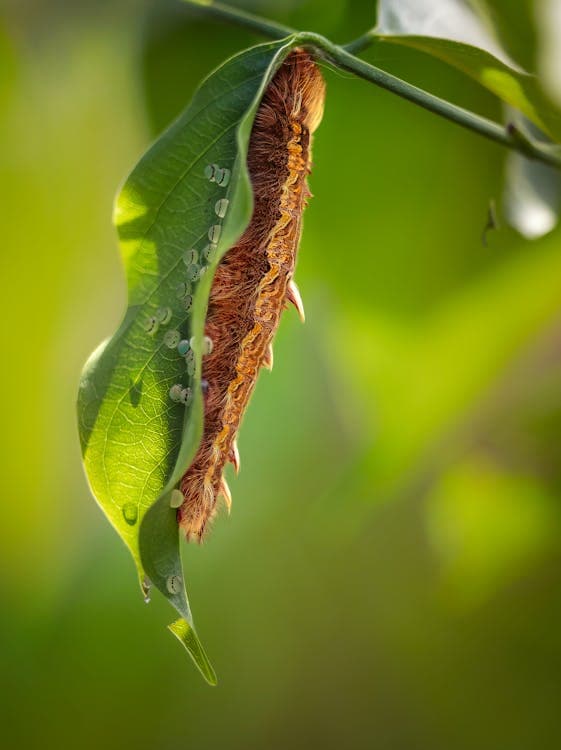
Pest timing matters more than most gardeners realize. A caterpillar hatching from eggs laid on your brassicas will feed for two weeks before pupating. Spraying after it has pupated accomplishes nothing. Understanding the lifecycle tells you not just what to spray, but when spraying does any good and when you're wasting product.
The animated cycle above shows where treatment lands. The larval stage is the window. Most chewing pests feed as larvae. Most sucking pests reproduce as adults. Bt spray, row cover timing, and targeted organic treatments all work best when deployed before or during that feeding window, not after the damage is done.
Reading damage: four categories
The pest is often gone by the time you see damage. Identifying what left it behind lets you treat the right thing. Spraying a contact insecticide on leafminer damage does nothing because leafminers live inside the leaf, not on the surface. Wrong diagnosis, zero effect.
The four damage types lead you to the pest family almost every time. Chewing damage with irregular holes points to caterpillars, beetles, or earwigs. Sucking damage with stippling, yellowing, or leaf curl points to aphids, mites, or whiteflies. Mining damage with pale serpentine tunnels points to leafminers. Boring damage with entry holes and frass pellets points to vine borers or cutworms.
The 10 pests most likely to find you
Every region has its own pest pressure, but these ten show up in home vegetable gardens across most of North America. The threshold column shows when it's actually worth treating, because treating too early kills the predators that would have handled it for free.
| Pest | Damage type | Natural predator | First treatment | Threshold |
|---|---|---|---|---|
| Aphids | Sucking | Ladybugs, lacewings | Blast with water | 20+ per shoot |
| Caterpillars | Chewing | Parasitic wasps, birds | Bt spray | 1 per plant |
| Spider mites | Sucking, webbing | Predatory mites | Insecticidal soap | 10+ per leaf |
| Whiteflies | Sucking, sooty mold | Parasitic wasps | Yellow sticky traps | Visible cloud when disturbed |
| Slugs & snails | Chewing, slime trails | Ground beetles, ducks | Iron phosphate bait | 3+ per night |
| Thrips | Sucking, silvering | Minute pirate bugs | Spinosad spray | 5+ per flower |
| Scale insects | Sucking, sticky | Parasitic wasps | Neem oil | Any adult scale |
| Fungus gnats | Root feeding (larvae) | Beneficial nematodes | Dry top 2 inches of soil | 5+ adults per trap per week |
| Squash vine borer | Boring | Row covers prevent | Row covers only | 1 egg visible |
| Cutworms | Boring (stem base) | Ground beetles | Cardboard collars | 1 per transplant |
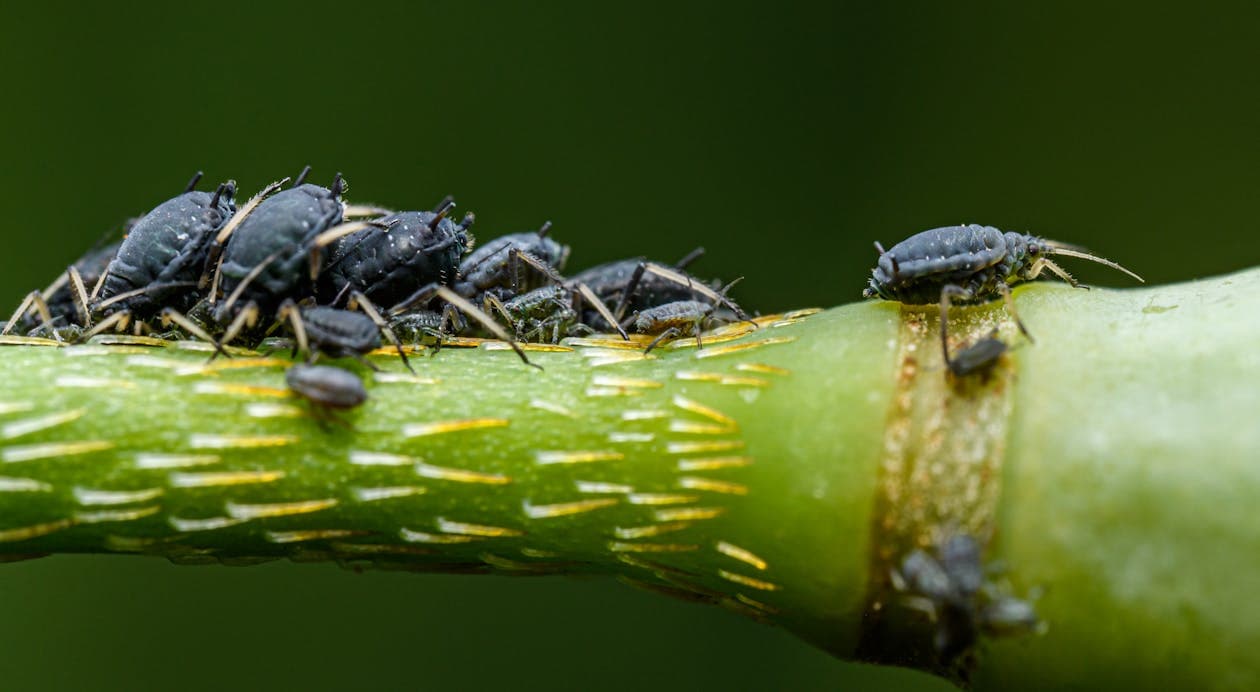
Aphids are the most likely first encounter for new gardeners, and the easiest to mishandle. They reproduce parthenogenetically, meaning females can produce live young without mating. A small colony on one shoot can cover the entire plant within a week in warm weather. The fastest and cheapest intervention is a strong water blast that knocks them off the plant. Most can't climb back. Do it every two or three days and the colony usually collapses before you need to spray anything.
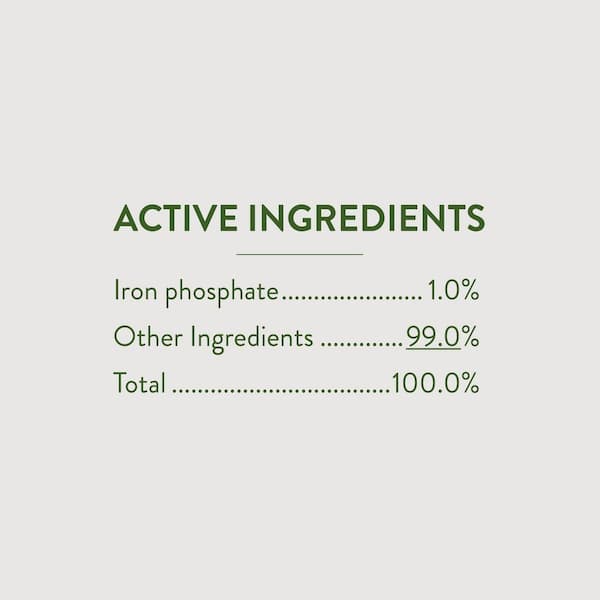
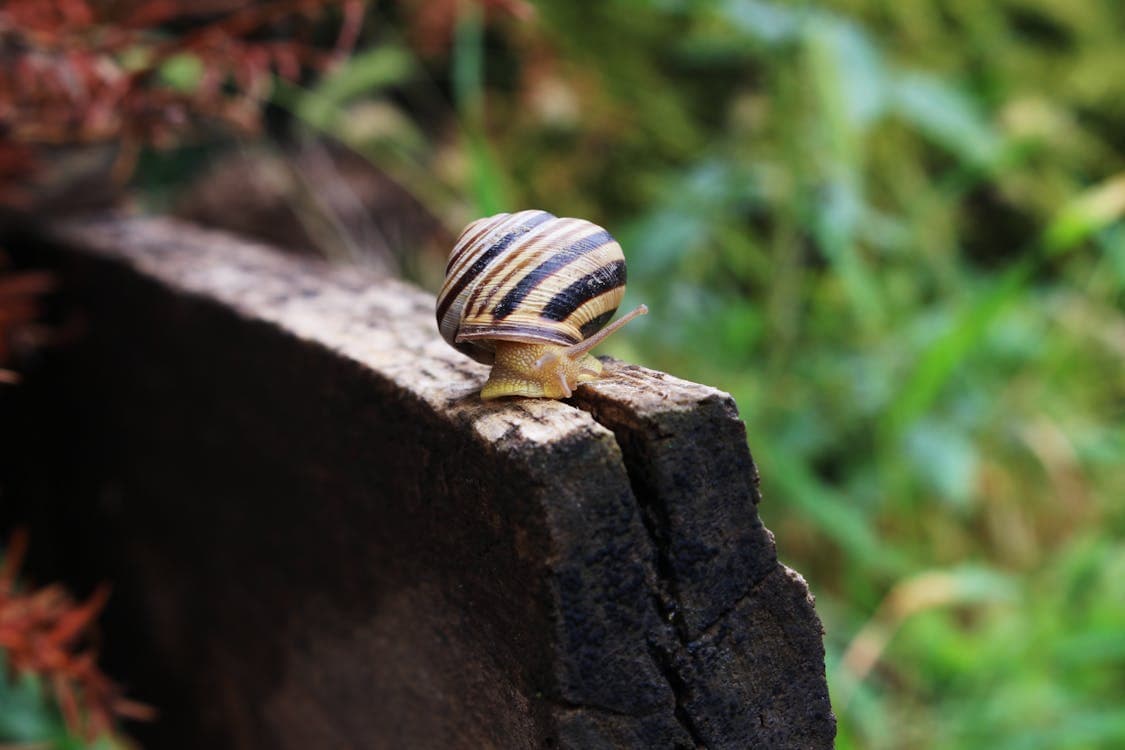
Slugs are the other pest that catches gardeners off guard because they're nocturnal and leave no body at the damage site, only slime trails and irregular holes in leaves. Check with a headlamp after dark and you'll find dozens where you suspected a handful. Iron phosphate bait works well because slugs eat it and stop feeding within hours, and it breaks down into a fertilizer so it's safe around pets and birds.
IPM: build prevention in, not on top
Integrated Pest Management was developed by the USDA in the 1970s as a response to the pesticide treadmill problem: more spray led to more resistance, which led to more spray. IPM treats chemical intervention as the last tier, not the first. Prevention is the broadest and cheapest layer. Chemical treatment is the narrowest and most disruptive. The goal is to handle as much as possible before you ever need a spray bottle.
Monitoring is the second tier and the one most gardeners skip. Scouting twice a week, flipping leaves, checking stems at soil level, and counting pest density per shoot takes ten minutes. That ten minutes is worth more than two hours of damage control after a colony has established. Keep a simple log with dates so you can spot patterns year over year.
One common monitoring mistake is counting what you can see. Aphids cluster on stem undersides. Spider mites live on leaf undersides. Thrips hide inside flower buds. If you're only looking at the top of the canopy, you're missing the early warning signs.

The companion planting guide covers which plant combinations suppress specific pests. Marigolds and aphids, garlic and roses, basil and thrips are all covered there. The underlying principle is the same as IPM: make the garden structurally hostile to pests before any individual intervention.
Physical controls: stop them before they land
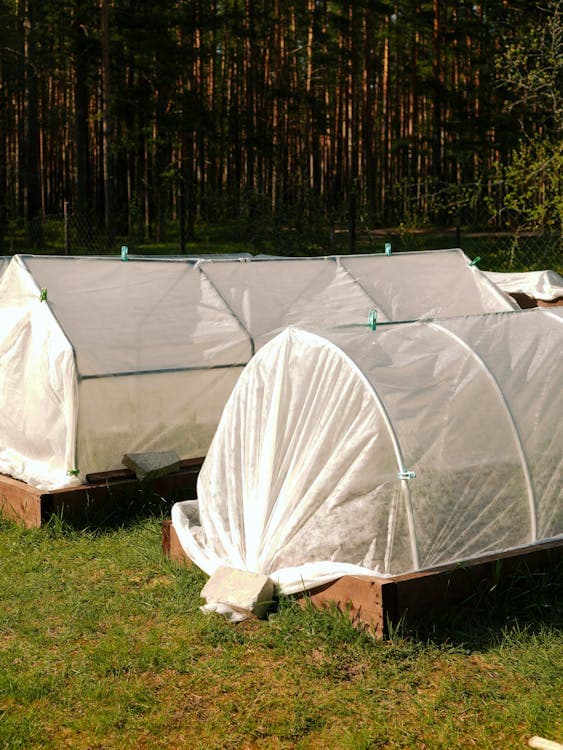
Barriers work where sprays fail. The squash vine borer lays a single egg at the base of a squash stem. Once that larva bores into the vine, it's over. No spray reaches it. A row cover installed at transplant time, before the moths arrive, is the only reliable defense. The same logic applies to cabbage moths on brassicas and carrot flies on carrots.
Physical controls are often the most permanent solution. A copper tape ring around a pot rim stops slugs completely without any repeat application. Cardboard collars around transplant stems stop cutworms cold. Yellow sticky traps at plant height catch whiteflies, fungus gnats, and leafminers before populations build.
Install row covers at transplant time, not after you see damage. The protection window for squash vine borers is the two weeks immediately after transplanting.
Bury fabric edges 2 to 3 inches deep or weigh them with boards. Flying moths find a 1-inch gap without any trouble.
Remove row covers at first bloom for any crop that needs pollination. Squash, cucumbers, and melons all need open access. Leave covers on root crops and leafy greens all season.
Place yellow sticky traps at plant canopy height. Flying pests navigate at plant level. Traps hung higher catch fewer pests and cost the same.
Fit cardboard or plastic collars around transplant stems, pushed 1 inch into the soil. Cutworms sever stems at ground level and can't chew through a collar.
Apply copper tape around pot rims for slug control. It must form a complete ring. A single gap or a soil bridge over the tape and it stops working immediately.
Biological controls: the workforce that's already there
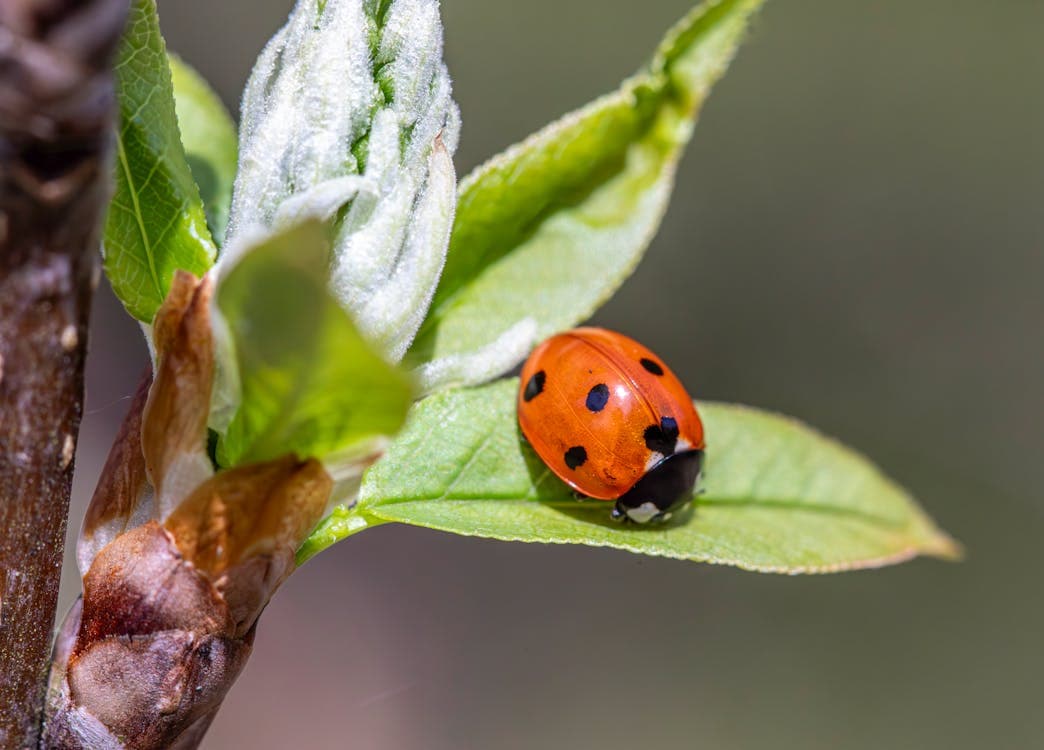
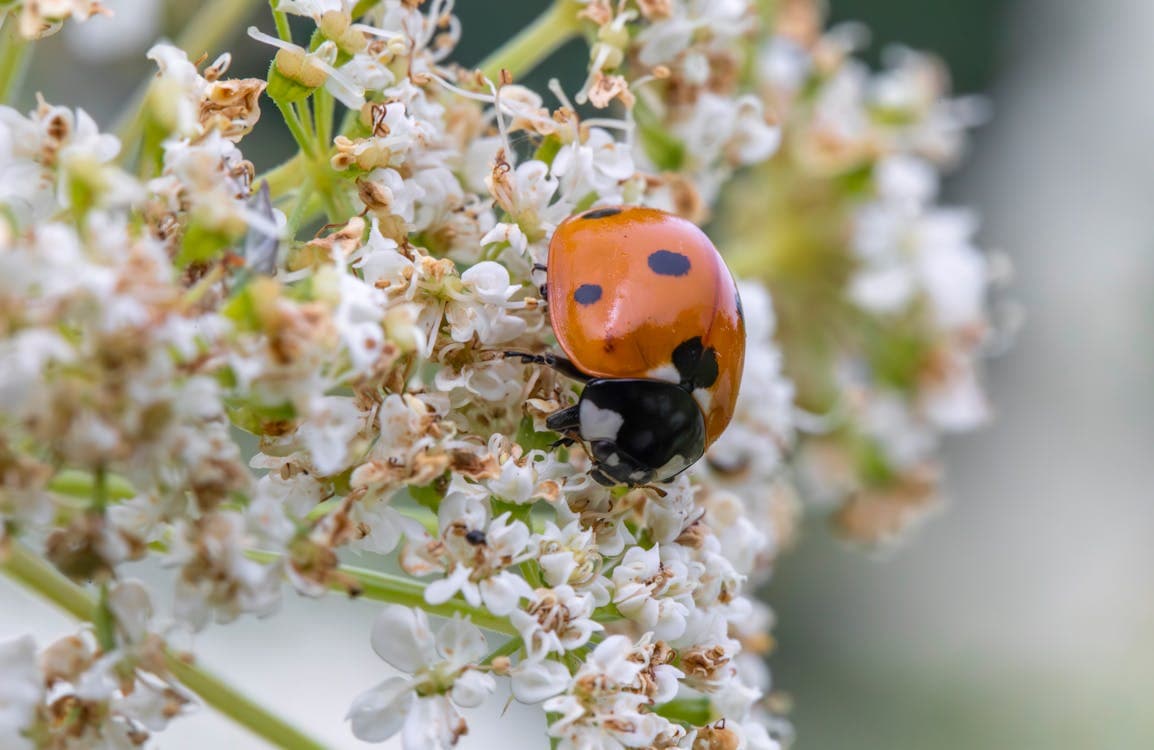
Beneficial insects do most of the pest management in a healthy garden. A single ladybug eats 50 to 60 aphids per day. Lacewing larvae eat 200 per day. Parasitic wasps lay eggs inside living aphids and caterpillars, which then die as the larvae consume them. Ground beetles hunt slugs and cutworm larvae after dark, often cleaning up infestations you never knew were there.
The single most effective thing you can do for beneficial insects is stop killing them. Broad-spectrum sprays, even organic ones applied carelessly, wipe out the beneficial population faster than they wipe out pests. The pests rebound faster. The beneficials take weeks to return. That's the cycle that makes gardeners feel like nothing works.
Attract and keep (lasting)
Build habitat, plant diverse species
- Costs nothing once established
- Active 24 hours a day, all season
- Self-sustaining without intervention
- Plants draw specific predators to specific pests
- Improves with every year of practice
Buy and release (short-lived)
Ladybugs and others purchased for release
- Released adults disperse within 24 to 48 hours
- Expensive per application
- Requires repeated purchasing each season
- No habitat means no establishment
- Does not address why pests found you
Beneficial insects work 24 hours a day and cost nothing once established. A spray bottle interrupts their work.
Organic treatments: when prevention isn't enough
Organic doesn't mean harmless. Neem oil kills bees on contact. Insecticidal soap kills beneficials on contact. Spinosad, one of the most effective organic caterpillar sprays, is toxic to bees for several hours after application. The chemicals are less persistent than synthetics, but the timing matters just as much.
Five organic options cover almost every home garden pest scenario. Neem oil handles sucking pests and fungal problems at once. Insecticidal soap kills soft-bodied pests on contact. Bt (Bacillus thuringiensis) is specific to caterpillars and does nothing to anything else. Spinosad is effective on thrips, caterpillars, and leafminers. Diatomaceous earth works mechanically against crawling pests but needs to be reapplied after rain.
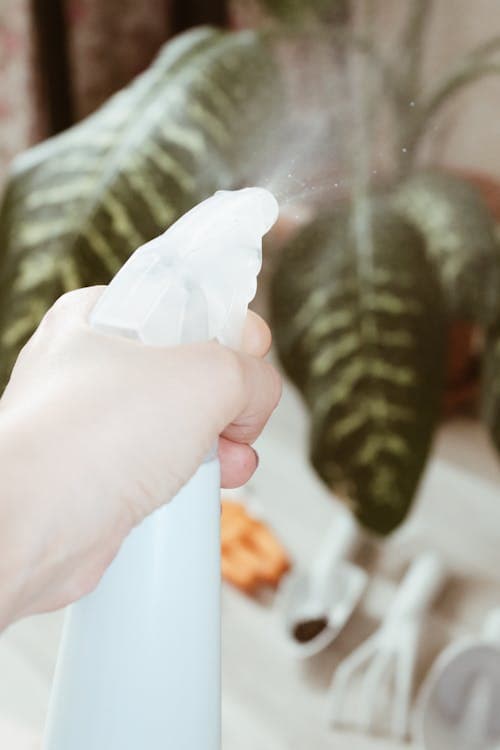
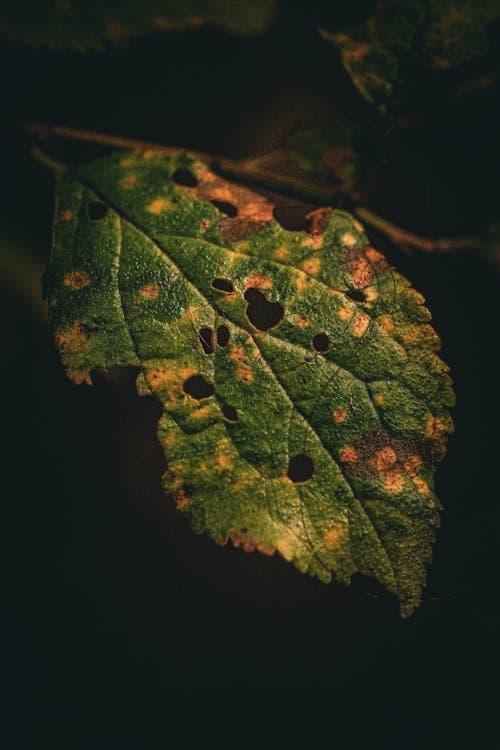
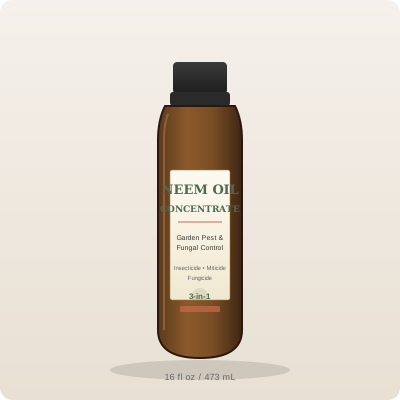
Neem oil contains azadirachtin, which disrupts insect feeding, molting, and egg-laying across all lifecycle stages. It works on aphids, mites, whiteflies, and fungal diseases simultaneously, which makes it one of the more efficient products for a mixed problem. The catch: it needs to coat the leaf surface evenly, it breaks down quickly in sunlight, and it's essentially useless if you apply it at midday.
Bt (Bacillus thuringiensis variety kurstaki) is specific to caterpillars. It's a naturally occurring soil bacterium that produces a protein toxic only to Lepidoptera larvae when ingested. It won't harm bees, ladybugs, earthworms, or humans. If you have cabbage worms, cabbage loopers, tomato hornworms, or any caterpillar problem, Bt applied in the evening at first larval sighting is the right first spray. Nothing else is necessary.
When to use synthetic pesticides
Synthetic pesticides are the last tool for a reason. The resistance problem is real and measurable. Aphid populations in commercial agriculture have developed resistance to pyrethroids in as few as seven generations, roughly three weeks in warm weather. Each spray application kills the susceptible individuals and leaves the resistant ones to reproduce. The surviving population passes resistance to offspring. The next spray is less effective. The one after that is even less.
When organic methods have genuinely failed and the crop is at risk, spot treatment with a targeted synthetic is defensible. Never spray preventively. Never spray the whole garden when only one plant has a problem. Rotate active ingredients so you're not running selection pressure on the same mechanism every time.
Broad-spectrum pyrethroid
Kills everything that moves
- Kills beneficial insects alongside pests
- Resistance develops within 3 to 6 weeks
- Pests rebound faster than beneficials
- Breaks the biological control cycle
- Each application is less effective than the last
Targeted organic (Bt, spinosad)
Specific pest families only
- Bt: caterpillars only — harmless to everything else
- Spinosad: thrips, caterpillars, leafminers
- Preserves beneficial insect populations
- No cross-resistance with synthetic classes
- Biological mechanisms don't build resistance as quickly
Building a pest-resistant garden over time
A garden that handles its own pest pressure is built over years, not seasons. Soil biology is the foundation. Healthy soil supports plants with robust root systems that can tolerate moderate pest pressure without collapsing. Compacted, depleted soil produces stressed plants that broadcast distress signals to every pest in the area. The soil guide covers the specific amendments and practices that get you there.
Plant diversity does more than any single spray. A garden with 15 plant species has enough visual and chemical complexity that pest host-finding fails more often. Flying pests navigate by sight and smell. The more broken and mixed the planting layout, the harder the navigation. Monocultures are efficient to grow but terrible at self-defense.
- Check leaf undersides on 5 random plants — aphids, mites, and eggs hide there, not on top
- Scan stems at soil level for cutworm damage and slug slime trails
- Count pest density per shoot and compare to threshold before deciding to treat
- Note which plants have the most activity and investigate their growing conditions
- Check your sticky traps and replace any that are 70% covered with debris or insects
- Record your findings with a date — pest patterns repeat seasonally, and records are worth keeping
Crop rotation is the other long-term lever. Moving plant families between beds each year breaks pest cycles that depend on finding the same host in the same place. Soil-dwelling pests that overwinter near their host plants emerge in spring to find nothing. The crop rotation guide covers the four-family rotation system in detail.
- Remove all crop debris after harvest — pests overwinter in stems, roots, and leaf litter
- Turn compost hot enough to kill overwintering eggs and larvae (above 140°F at the center)
- Pull and dispose of heavily infested plants in the trash, not the compost
- Clean tools with a 10% bleach solution between plants when moving through an infested area
- Apply beneficial nematodes to moist soil before first frost to target soil-dwelling larvae
- Plant a cover crop to disrupt pest habitat and rebuild soil biology before the next season
The gardener who reads damage patterns doesn't need to see the pest. The evidence is always there.